


Compare our wines
Put two or three of our wines side by side: colour, grape varieties, price, awards, serving temperature and recommended dishes.
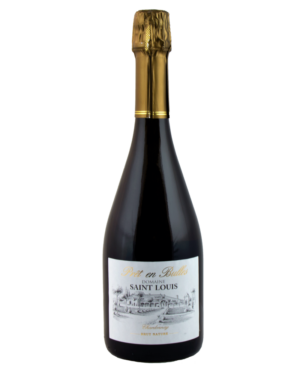 Prêt en Bulles Millésime 2020 - Vin Pétillant d'Exception
|
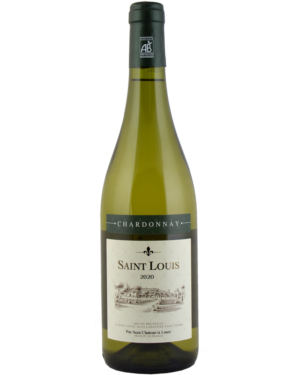 Chardonnay BIO 2025 - Vin Blanc Sec
|
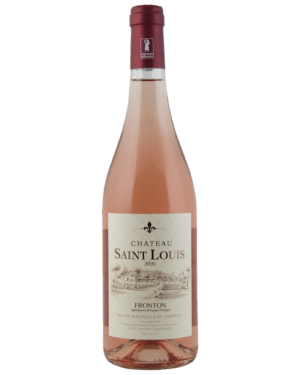 Vin Rosé BIO
|
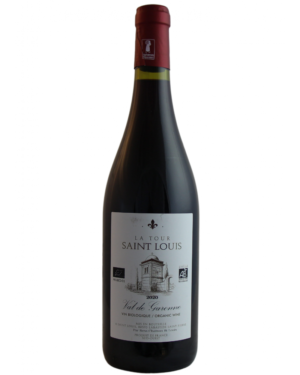 Vin Rouge BIO - LA TOUR
|
 Vin Rouge BIO - L'Esprit Gaulois 2022
|
 Vin Rouge 100% Naturel - Libéré du Soufre 2022
|
 Vin Rouge Bio Naturellement Négrette 2023 - Certifié BIO et Élaboré Naturellement
|
 Vin Rouge BIO - Tradition Rouge 2020
|
 Vin Rouge Bio - Esprit 2018
|
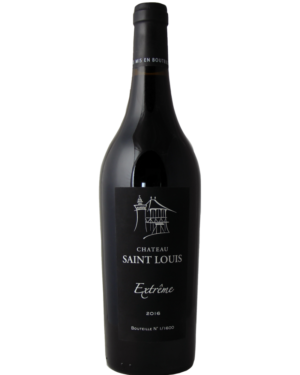 Vin Rouge BIO - L'EXTREME 2016 BIO
|
|
|---|---|---|---|---|---|---|---|---|---|---|
| Colour | Sparkling | White | Rosé | Red | Red | Red | Red | Red | Red | Red |
| Grape varieties | Chardonnay | Chardonnay | — | Pinot Saint Georges / Négrette, Syrah, Tannat | Cabernet Franc, Pinot Saint Georges / Négrette | Pinot Saint Georges / Négrette | Pinot Saint Georges / Négrette | Cabernet Franc, Gamay, Pinot Saint Georges / Négrette, Syrah | Cabernet Franc, Pinot Saint Georges / Négrette | Cabernet Franc, Malbec, Pinot Saint Georges / Négrette |
| Price | 22,00 € | 12,00 € | 12,00 € | 9,50 € | 12,00 € | 13,00 € | 13,00 € | 14,00 € | 20,00 € | 58,00 € |
| Award | Gold Medal 2022 | Award-winning wine | Award-winning wine | Award-winning wine | — | Award-winning wine | Award-winning wine | Gold Medal 2021 | Silver Medal 2022 | Award-winning wine |
| Serving temperature | 6–8 °Cgeneral guide | 8–12 °Cgeneral guide | 8–10 °Cgeneral guide | 14–18 °Cgeneral guide | 16–18 °Cper the description | 15–18 °Cper the description | 14–18 °Cgeneral guide | 14–18 °Cgeneral guide | 14–18 °Cgeneral guide | 14–18 °Cgeneral guide |
| Recommended dishes | Aperitif, Desserts, Festive meals | Lamb, Fish | Aperitif, Summer food | Aperitif, Charcuterie and cheese, White meat | Game, Slow-cooked dishes | South-west French cooking | South-west French cooking | Aperitif, Charcuterie and cheese, Raclette and fondue, Grills and barbecue, White meat | Game, Slow-cooked dishes | Aperitif, Charcuterie and cheese, Red meat, Game |
| Buy | Add to cart | Add to cart | Add to cart | Add to cart | Add to cart | Add to cart | Add to cart | Add to cart | Add to cart | Add to cart |
Recommended dishes come from our wine descriptions; temperatures come from the description when it gives one, otherwise from a general guide for the colour.
What really sets two wines apart
The grape variety gives the character: Négrette on its own is fruity and supple, while a blend with Cabernet Franc gains structure. The share of Négrette varies from one cuvée to another: 100% for some, 50% for others. Price, awards and recommended dishes do the rest.
Reading medals
A medal rewards a specific vintage, entered in a competition in a given year. It does not carry over from one vintage to the next: that is why the comparison shows the award of the bottle on sale, not that of the cuvée in general.
Your questions
Frequently asked questions
How many wines can be compared?
Two or three at a time. Beyond that, the table becomes hard to read on a phone.
What is the difference between a pure Négrette and a blend?
A pure Négrette expresses fruit and violet, with few tannins. A blend, with Cabernet Franc for example, brings more structure and length.
Are the temperatures shown the estate’s own?
When the wine’s sheet gives a serving temperature, that is the one displayed. Otherwise, it is the general guideline for its colour, flagged as such.
Further reading
- Which wine should I choose? A few questions about the moment, the dish and the budget, and we suggest the right bottle.
- Serving wine The right temperature for each of our wines, and a few simple tips.
- Négrette and its terroir The grape of Fronton, its history and a map of the twenty municipalities of the appellation.


