

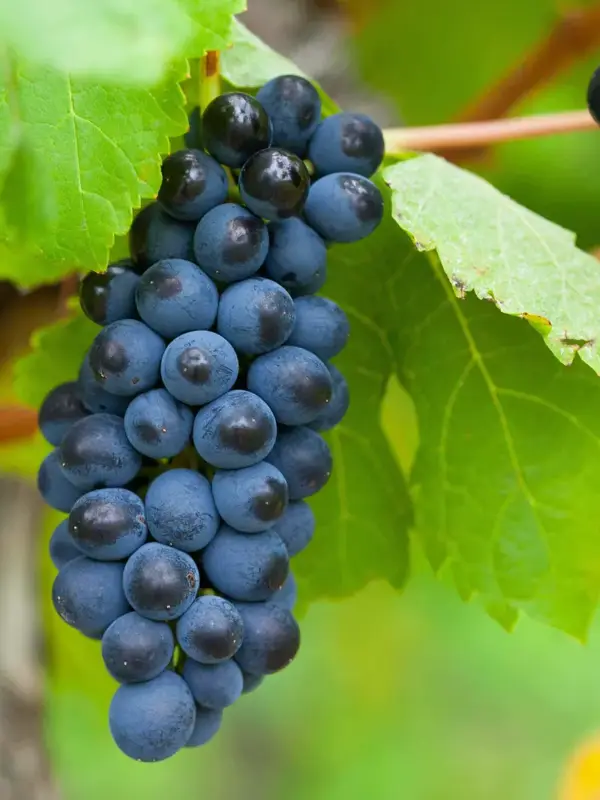
A grape of South-West France
Malbec (Cot): origin, taste, Cahors, Argentina and our organic wine
The Cot of Cahors, which became the Malbec of Argentina.


What is Malbec?
Malbec, also called Cot or Auxerrois, is a black grape from South-West France. Genetic analyses published in 2009 show it to be a cross between Prunelard, an old South-West variety, and Magdeleine Noire des Charentes. It gives deeply coloured, fragrant wines, rich in tannin. It is the essential grape of Cahors, where it makes up at least 70% of the blend, and it has made Argentina’s reputation since its introduction there in 1868. In Fronton, the specification allows it under the name Cot, up to 25% of the vines: at Château Saint Louis, it makes up 15% of L’Extrême.
Identity card
The grape at a glance
- Colour
- Black grape.
- Parents
- Prunelard and Magdeleine Noire des Charentes (INRA and UC Davis, 2009).
- Other names
- Cot in the Loire, Auxerrois in the Quercy, Bouchalès in Haute-Garonne.
- Its wines
- Deeply coloured, fragrant and rich in tannin; they age well, in tank or in barrel.
- Before phylloxera
- It covered up to 80% of the vines of Blaye and Bourg, near Bordeaux, according to Jules Guyot (1868).
- In Fronton
- Allowed as a supporting grape under the name Cot, up to 25% of an estate’s vines.
In the glass
What does Malbec taste like?
Fully ripe, Malbec gives a very dark red wine with present tannins and black fruit. Under-ripe, it can turn green and bitter: it is a grape that needs sun and a controlled harvest. In a blend, it brings colour, backbone and ageing potential.
In the glass
- very dark colour
- black fruit
- present tannins
In a blend
- colour
- backbone
- ageing potential
Where it grows
From Cahors to Mendoza
- Cahors
- Its flagship appellation, in the Quercy: at least 70% Malbec in every wine, completed by Merlot and Tannat.
- Argentina
- Introduced in 1868 by the French agronomist Michel Pouget, it has become the emblematic grape there, around Mendoza.
- Bordeaux and the Loire
- Once widely planted in the Bordeaux region; it is still found in Touraine, under the name Cot.
- Fronton
- Supporting grape of the AOC, up to 25% of the vines, behind Négrette.
At Château Saint Louis
L’Extrême: 15% Malbec with Négrette
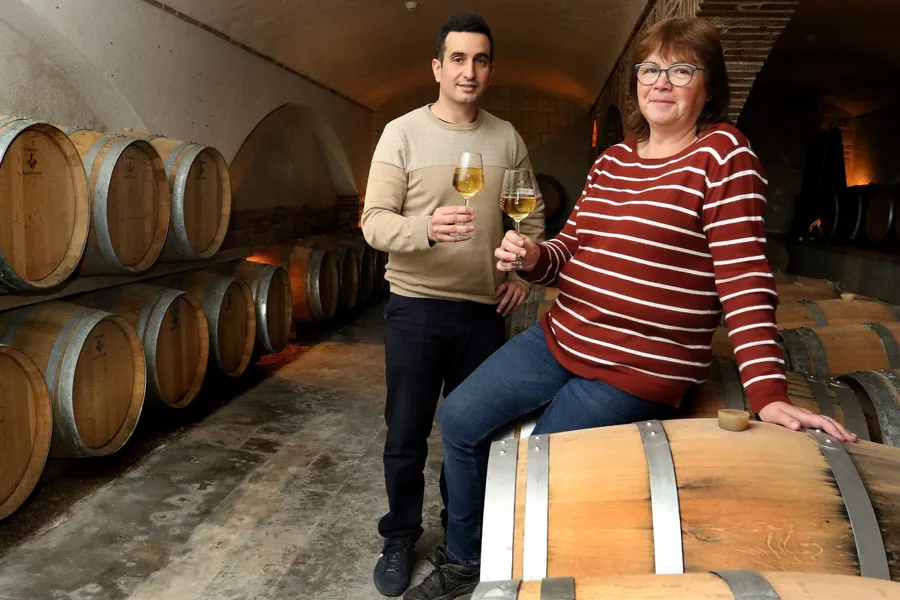
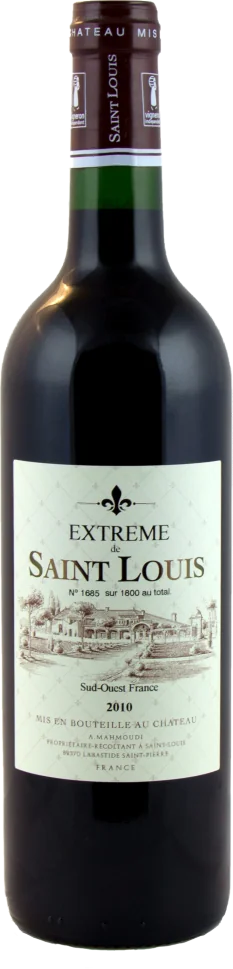
At Château Saint Louis, Malbec is never alone: it makes up 15% of L’Extrême, alongside Négrette (80%) and Cabernet Franc (5%). It brings the colour and structure that allow long ageing.
L’Extrême is hand-picked, fermented with native yeasts, then aged eighteen months in oak barrels. Like all the estate’s vines, these have been farmed under certified organic agriculture since 2005.
Come and taste at the estate The estate shop
The wine
Certified organic and sold direct, with no middleman between our cellar and your table.
At the table
What to serve it with?
- grilled red meat and game
- duck breast and duck confit
- hard cheeses
Your questions
Frequently asked questions
What is the difference between Malbec and Cot?
None: it is the same grape. It is called Cot in the Loire, Auxerrois in the Quercy, and Malbec in Bordeaux, Cahors and Argentina.
Where does Malbec come from?
From South-West France. Genetic analyses published in 2009 show it to be a cross between Prunelard and Magdeleine Noire des Charentes.
Why is Malbec associated with Argentina?
The French agronomist Michel Pouget introduced it there in 1868, and it became the country’s emblematic grape, around Mendoza.
Is Malbec allowed in Fronton wine?
Yes, under the name Cot: it is a supporting grape of the AOC, limited to 25% of each estate’s vines, with Négrette remaining the majority.
Which Château Saint Louis wine contains Malbec?
L’Extrême, an organic red aged eighteen months in oak barrels: 80% Négrette, 15% Malbec and 5% Cabernet Franc.
Sources
- Malbec on Wikipedia Wikipédia
- Fronton AOC specification INAO


